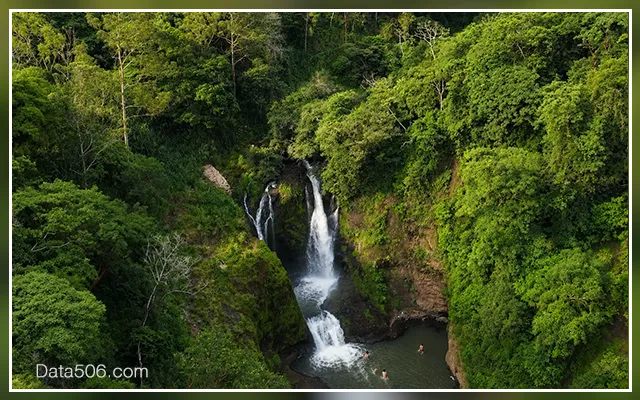
Why More Travelers Are Stopping in San Ramón on the Way to Arenal and Monteverde
Many travelers arriving in Costa Rica have their sights set on Arenal Volcano or the cloud forests of Monteverde. After landing in San José, they pick up a rental car and begin the journey north. Here’s a tip: tucked away in the cloud-kissed mountains of the West Valley lies a secret the guidebooks often breeze past: San Ramón.
Located about one hour from Juan Santamaría International Airport (SJO), San Ramón offers an opportunity to experience a different side of Costa Rica, one shaped by agriculture, education, and community life rather than large-scale tourism.
Whether you’re looking to break up the drive north or spend a sometime exploring the highlands, San Ramón provides a rewarding glimpse into everyday Costa Rican life.
A Historic Town in Costa Rica's West Valley
Founded in 1856, San Ramón has long been an important agricultural and cultural center in western Costa Rica. The town is often referred to as La Tierra de Poetas (The Land of Poets), a nickname earned through its history of writers, educators, and intellectuals who helped shape the region’s identity.
Unlike destinations built primarily around tourism, downtown San Ramón remains a functioning Costa Rican community. Around the central park, you’ll find local cafés, shops, churches, and families gathering throughout the day. The pace is noticeably slower than in many of the country’s best-known tourism hubs, making it a pleasant place to explore before continuing toward Arenal or Monteverde.
Discover Costa Rica's Renowned Coffee Highlands
San Ramón sits within Costa Rica’s West Valley coffee region, one of the country’s most respected coffee-producing areas.
Coffee farms throughout the region are typically located between 1,200 and 1,700 meters (3,900–5,600 feet) above sea level. Combined with volcanic soils, cool mountain temperatures, and seasonal rainfall, these conditions help create the characteristics that have made West Valley coffees popular among specialty coffee buyers worldwide.
For travelers interested in learning more about Costa Rica’s coffee culture, visiting a local coffee farm offers one of the most educational experiences in the region. Walking through the plantations, observing harvesting methods, and learning about roasting and processing techniques provides valuable insight into an industry that has helped shape Costa Rica’s economy for generations.
Many family-run farms also offer guided tastings, allowing visitors to compare different roast profiles while learning how altitude, climate, and processing methods influence flavor.
Beyond Coffee: The Agricultural Traditions of San Ramón
Coffee may be the region’s best-known product, but it is only part of San Ramón’s agricultural story.
The area’s fertile hills support a wide variety of crops, livestock operations, and beekeeping projects. Several local apiaries welcome visitors interested in learning about honey production and the important role pollinators play in maintaining healthy ecosystems.
These experiences provide a closer look at rural Costa Rican life while highlighting the sustainable agricultural practices many local producers continue to maintain.
Mountain Views and Traditional Costa Rican Cuisine
One of the pleasures of exploring San Ramón is slowing down long enough to enjoy the landscape.
The surrounding hills offer numerous viewpoints overlooking the valleys and mountains of western Costa Rica. Along these routes, travelers will find small family-owned restaurants serving traditional Costa Rican dishes prepared from locally sourced ingredients.
Popular options include casados, handmade tortillas, fresh cheeses, traditional soups, and locally grown coffee. The cooler temperatures of the highlands make these meals particularly enjoyable, especially when paired with panoramic mountain views.
Nature and Biodiversity in the Highlands
San Ramón’s location between agricultural lands, mountain forests, and cloud forest ecosystems creates a diverse natural environment that supports a variety of wildlife.
Birdwatchers frequently encounter species native to Costa Rica’s central highlands, while flowering plants and forested areas provide important habitats for pollinators and other wildlife. This combination of agriculture and biodiversity is one reason the region appeals to travelers seeking a deeper understanding of Costa Rica beyond its beaches and national parks.
Why San Ramón Appeals to Slow Travelers
Travelers increasingly seek destinations that offer meaningful local experiences rather than packed itineraries. San Ramón fits naturally into this style of travel.
Instead of rushing between major attractions, visitors can spend time learning about coffee production, meeting local families, enjoying regional cuisine, and exploring a town that has maintained its character despite being located along one of Costa Rica’s most traveled routes.
The result is not a checklist of attractions but a more personal connection to the culture, landscapes, and traditions that define Costa Rica’s West Valley.
Practical Information
Getting There
San Ramón is located approximately one hour from Juan Santamaría International Airport (SJO) via Route 1 and serves as a convenient stop between San José, Arenal, and Monteverde.
What to Pack
Mountain weather can change throughout the day. Bring comfortable walking shoes, a light rain jacket, and layers suitable for cooler temperatures, particularly during the rainy season.
Planning Your Activities
Many coffee farms, honey producers, and other local experiences operate on a small scale. Reserving tours in advance is recommended, particularly during peak travel periods.
For travelers looking to experience Costa Rica’s coffee heritage, mountain scenery, and local culture in one destination, San Ramón offers a rewarding stop that often becomes one of the most memorable parts of the journey.