
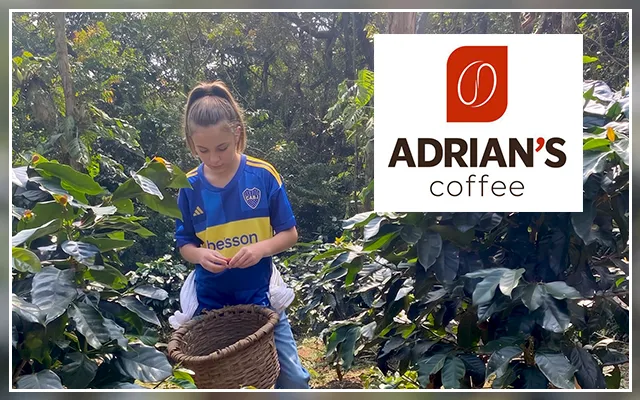

Adrian’s Coffee Tour
♥ Family Business
Authentic coffee farm tour in San Ramón, Alajuela, from plant to cup with the Orozco Rodríguez family.
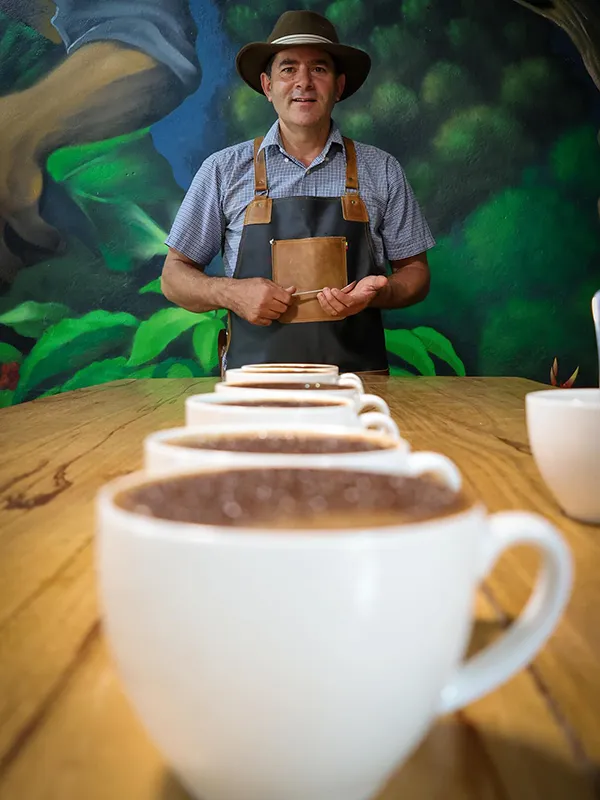
MEET YOUR HOST: Adrian Orozco Rodriguez
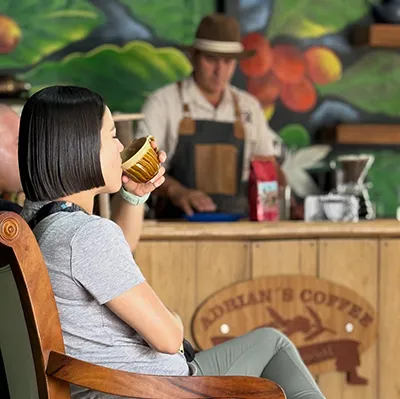
Coffee Tasting Sessions | San Ramón
All images and information are the exclusive property of Adrian’s Coffee Tour. Unauthorized use, reproduction, or distribution is prohibited.
About Adrian’s Coffee Tour
Discover how Costa Rican coffee is grown, harvested, processed, roasted, and prepared on a working family-owned coffee farm in San Ramón, Alajuela — one of the most scenic coffee-growing regions in Costa Rica.
Whether you are a coffee enthusiast, nature lover, photographer, or traveler seeking authentic local experiences, this tour connects you directly with the people and processes behind one of Costa Rica’s most important agricultural products.
Guided by the Orozco Rodríguez family, who have cultivated coffee on this land for more than 40 years. Their knowledge, passion, and commitment to quality make this more than a tour, it is a personal introduction to Costa Rican coffee culture, passed down through generations.
Coffee Tour Schedules
The tour schedules are from 9:00 am to 11:30 am and from 1:00 pm to 3:30 pm.
How to get to Adrian’s Coffee Farm


What You’ll Experience
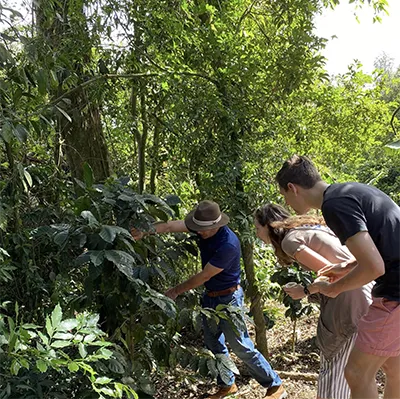
Walk on the Farm
Explore a traditional coffee plantation surrounded by the mountains of San Ramón.
Meet the Family
Learn directly from the Orozco Rodríguez family and their decades of coffee expertise.
Learn the Process
Follow every stage: cultivation, harvesting, pulping, drying, shelling, roasting, packaging.Taste the Coffee
Finish with a freshly brewed cup paired with a traditional Costa Rican snack.Sustainable Coffee Farming
No deforestation. Ever.
Our farm has never practiced deforestation to expand coffee production. We work in harmony with the natural environment, preserving trees, protecting local ecosystems, and maintaining responsible farming practices for future generations.
Learn the Complete Coffee Process
Follow every stage of coffee production, including:
- Coffee cultivation
- Harvesting methods
- Pulping and processing
- Traditional drying techniques
- Artisanal shelling
- Roasting methods
- Packaging and preparation
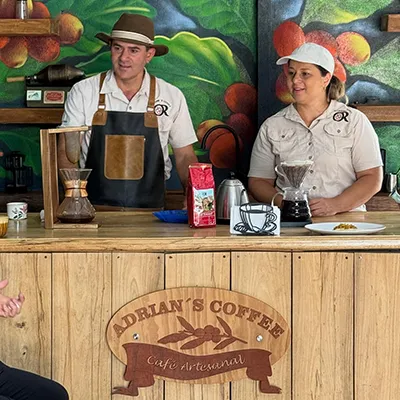
Coffee Tasting Experience
Finish your visit with a freshly brewed cup of locally produced coffee paired with a traditional Costa Rican snack.
Taste the distinctive flavors created by the region’s climate, altitude, and artisanal production methods.
See firsthand how coffee cherries become the beverage enjoyed around the world.
Frequently Asked Questions:
How much does the tour cost?
The tour price is $45 USD + tax per adult and $20 USD + tax per child. Prices are per person. To book your tour, call us directly at 2447-8174.
How long does the tour lasts?
owThe tour lasts approximately 2 hour and 30 minutes, including guided explanations, hands-on activities, and the tasting session.
What should I wear or bring?
We suggest wearing comfortable shoes, sunscreen, and a hat. Don’t forget your camera, you’ll want to capture the beautiful views!
Is the tour suitable for children?
Yes. Adrian’s Coffee Tour is a family-friendly experience that welcomes visitors of all ages, including young children.
Children can actively participate in the tour and enjoy hands-on activities designed to make the experience engaging and memorable. During the coffee harvesting portion of the tour, each child receives their own basket and has the opportunity to pick coffee directly from the plants, just like local coffee farmers.
Can I buy coffee after the tour?
Yes. Visitors can purchase coffee directly from the farm and take home the flavors they experienced during the tour.
We offer three artisanal roast profiles, each available as whole bean or ground coffee:
Light Roast
Sweet, bright, and balanced, with notes of chocolate and natural sweetness.
Medium Roast
A well-balanced roast with pleasant acidity and aromas of blackberry, sugar cane, and fruit.
Dark Roast
A rich, full-bodied coffee with intense chocolate and fruit notes.
Purchasing directly from the farm is a great way to continue enjoying authentic Costa Rican coffee long after your visit.